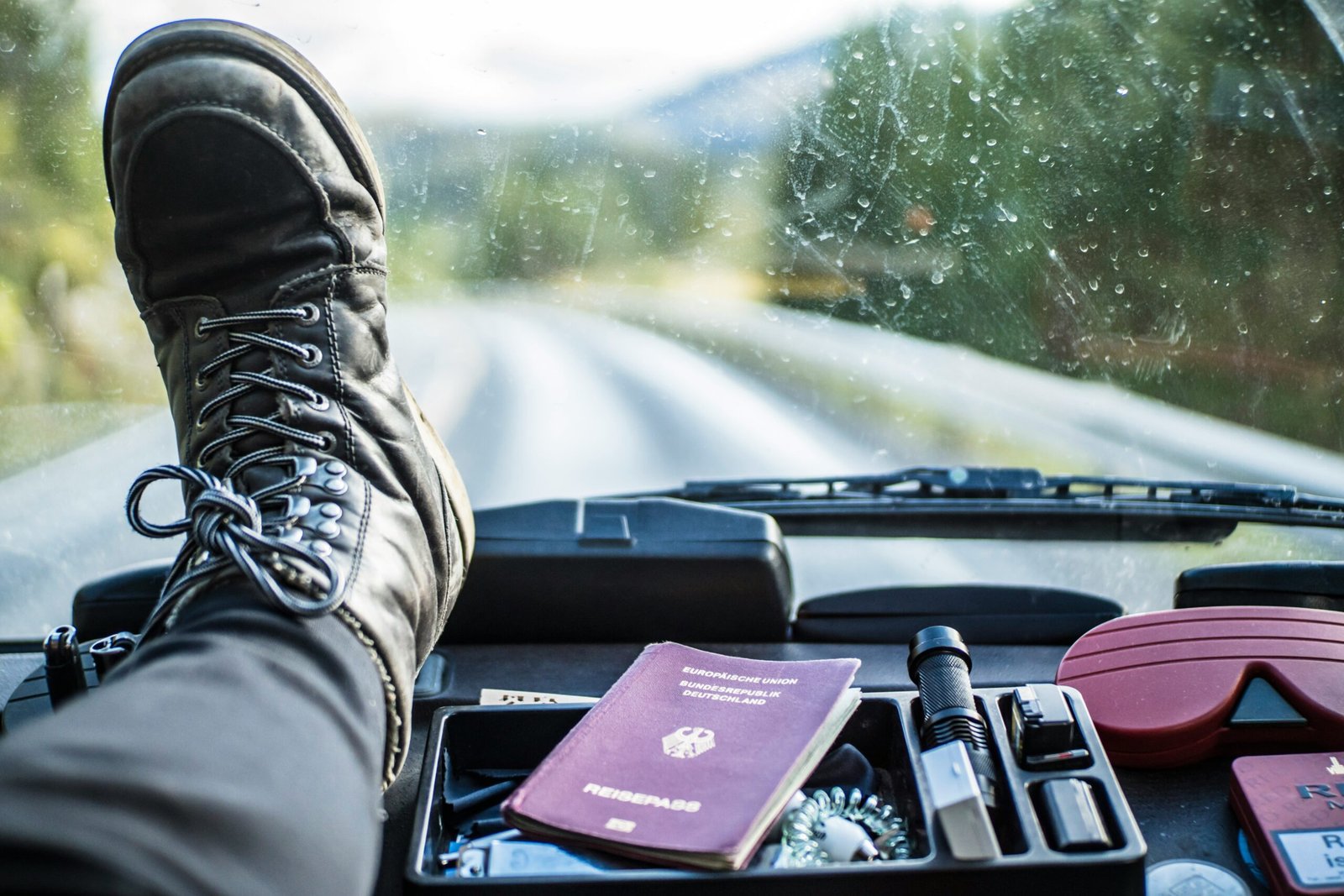
Most road trippers never think about travel insurance until something goes wrong — a fender bender in an unfamiliar state, a medical emergency in a town without a hospital, or a cancelled hotel booking after a wildfire closes the highway. Travel insurance for road trips is different from flight-based travel insurance, and knowing what you actually need can save you both money and stress.
Do you need travel insurance for a road trip?
The honest answer: it depends on your existing coverage. Many road trippers already have overlapping protection from their regular health insurance, auto insurance, and credit card benefits without realising it. Before buying a separate policy, check what you already have.
Your auto insurance covers vehicle damage and liability in all 50 states (if you have a US policy). However, it may not cover rental cars, and your deductible still applies. If you’re driving your own car domestically, your existing auto policy likely provides adequate vehicle coverage.
Your health insurance covers medical emergencies in-network, but out-of-state or out-of-network care can result in significantly higher costs. If your road trip takes you to remote areas far from in-network providers, supplemental medical coverage becomes more valuable.
Your credit card may include rental car insurance (primary or secondary), trip cancellation coverage, and travel accident insurance. Check your card benefits before buying duplicate coverage. Premium cards like Chase Sapphire Reserve and Amex Platinum include substantial travel protections.
When travel insurance IS worth it for road trips
International road trips: If you’re driving in another country (Canada, Mexico, Europe), your US health insurance likely provides zero coverage abroad. Travel insurance with international medical coverage is essential. A simple ER visit in Canada can cost $3,000-5,000 for uninsured Americans.
Expensive pre-booked accommodations: If you’ve reserved $2,000+ in non-refundable hotels, cabins, or campsite fees, trip cancellation insurance protects that investment against unexpected events — illness, family emergencies, severe weather, or road closures.
Remote and high-altitude destinations: If your route includes isolated areas where emergency medical evacuation by helicopter is the only option, evacuation coverage is critical. A helicopter evacuation from a remote mountain area can cost $30,000-50,000 without insurance. Standard health insurance often doesn’t cover evacuation transport.
Rental car road trips: If you’re renting, the rental company’s insurance is almost always overpriced. A travel insurance policy with rental car coverage or your credit card’s rental protection is usually cheaper and often provides better coverage.
Our recommended policies
1. World Nomads — best for adventure road trips
World Nomads covers activities that most policies exclude — off-roading, hiking, camping at altitude, and even motorcycle touring. Their Standard plan covers trip cancellation up to $2,500 per trip, emergency medical up to $100,000, and medical evacuation up to $300,000. Pricing starts around $5-10 per day depending on age and destination. Best for road trippers who plan to hike, camp, or go off-road during their trip.
2. Allianz OneTrip Prime — best for domestic road trips
Straightforward domestic coverage with trip cancellation up to 100% of insured costs, emergency medical up to $25,000, and 24/7 travel assistance. The policy also covers rental car damage, which makes it excellent for rental road trips. Pricing starts around $50-80 for a two-week domestic trip. The claims process is well-reviewed and relatively painless.
3. SafetyWing Nomad Insurance — best for long-term road trips
Designed for extended travel rather than fixed-date trips. Monthly billing at approximately $45-70 per month (varies by age). Covers emergency medical up to $250,000 and includes coverage in the US and internationally. No trip cancellation coverage — this is purely medical and emergency protection. Best for road trippers on extended multi-month journeys where traditional trip policies would be prohibitively expensive.
4. Your credit card — best for short rental trips
If you have a premium credit card (Chase Sapphire, Amex Platinum, Capital One Venture X), check its built-in travel benefits before buying anything. Many include primary rental car insurance, trip cancellation up to $10,000-20,000, trip delay coverage, and lost luggage protection — all at no additional cost when you book with the card.
What travel insurance does NOT cover on road trips
Understanding exclusions is as important as understanding coverage. Most travel insurance policies do not cover mechanical breakdowns (that’s roadside assistance, not insurance), pre-existing medical conditions without a waiver, cancellations due to “fear of travel” or advisory-only weather forecasts, damage to your personal vehicle (that’s auto insurance), or claims from driving under the influence of alcohol or drugs. Read the policy document before purchasing — the summary page rarely tells the whole story.
Money-saving tip: AAA Plus membership ($100/year) covers roadside assistance including towing up to 100 miles, lockout service, fuel delivery, and flat tire changes — the most common road trip emergencies. Combined with your existing auto and health insurance, AAA may be all the additional coverage you need for a domestic road trip.
Frequently asked questions



Leave a Reply