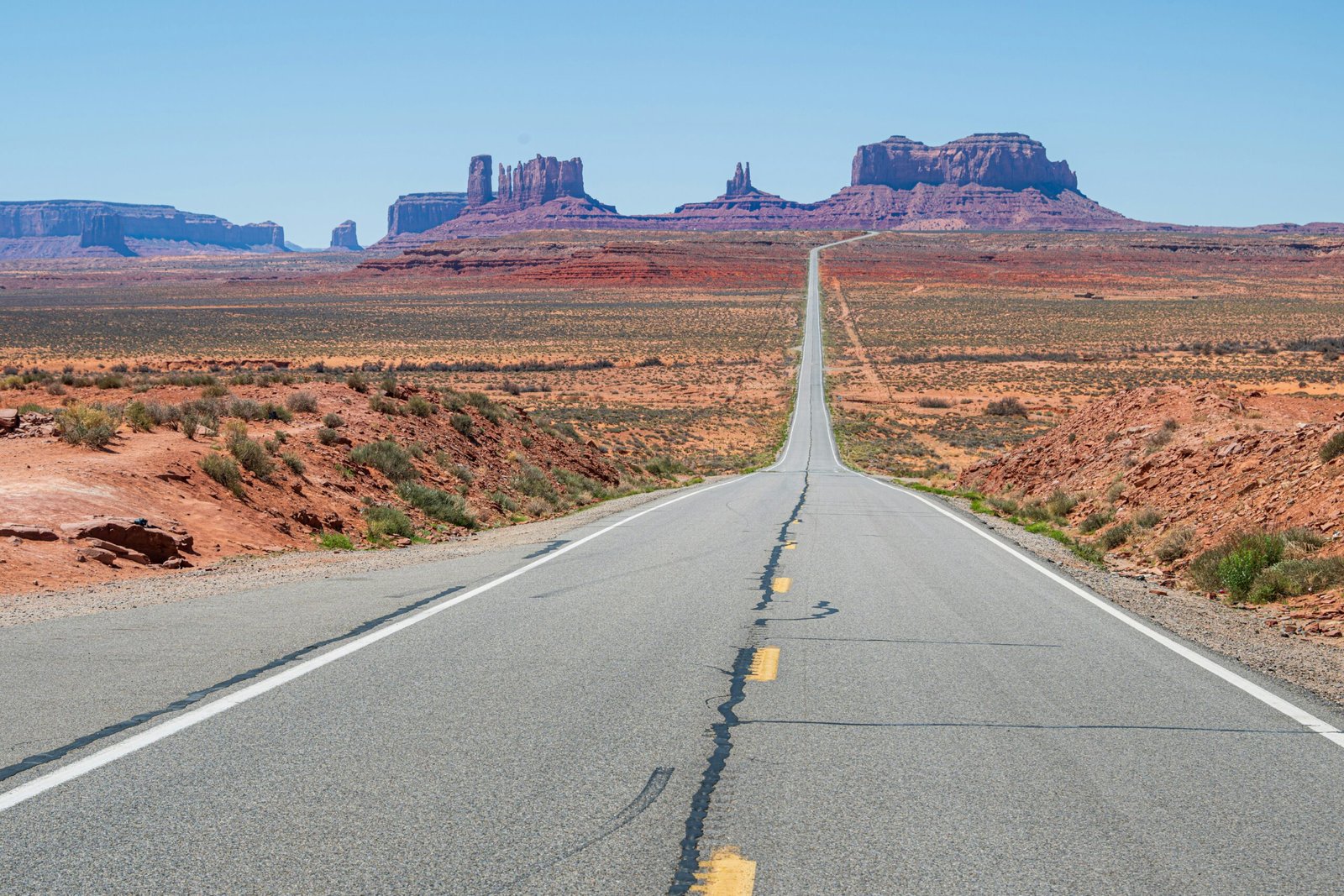
Let me tell you straight !!! there are road trips, and then there’s Route 66. Stretching 2,448 miles from the corner of Adams Street and Michigan Avenue in Chicago to the Santa Monica Pier in California, America’s “Mother Road” turns 100 years old in 2026, and there has never been a better time to drive it.
Officially established on November 11, 1926, Route 66 was one of America’s first continuous stretches of paved highway. It carried Dust Bowl migrants west, fueled the post-war road trip boom, and became the ultimate symbol of freedom on the open road. Though it was officially decommissioned in 1985, the historic route lives on, marked by vintage neon signs, classic diners, quirky roadside attractions, and small towns that still welcome travelers with genuine warmth.
This guide covers everything we did and will help you plan your Route 66 road trip in the centennial year: a state-by-state breakdown, realistic itineraries, budget estimates, must-see stops, and practical tips that most guides skip.
Quick facts
2,448 miles (3,940 km)
8 (IL, MO, KS, OK, TX, NM, AZ, CA)
10–14 days minimum
$100–$200 per person
April–June, September–October
November 11, 2026
Why 2026 is the year to drive Route 66
The Route 66 Centennial is not just a nostalgic birthday celebration, it’s a massive, federally recognized revitalisation effort spanning all eight states along the original path. Communities from Chicago to Santa Monica have invested millions in repaving historic alignments, restoring vintage neon signs, rebuilding classic roadside diners, and opening new museums. The official celebrations kicked off with a National Kick-Off event in Springfield, Missouri on April 30, 2026, with events running through the historic anniversary date of November 11.
For travelers like us, this means the road is in better condition than it has been in decades. Many sections that were crumbling have been repaired, detour signage has been improved, and local businesses along the route are more welcoming and prepared for visitors than ever before.
State-by-state breakdown
Illinois: Chicago to St. Louis (300 miles)
The journey begins at the intersection of Adams Street and Michigan Avenue in downtown Chicago. Illinois was the first state to have its entire section of Route 66 paved, and it shows — this stretch is one of the best-maintained on the entire route. Key stops include the Gemini Giant in Wilmington, the Route 66 Association Hall of Fame in Pontiac, and the Ariston Cafe in Litchfield, one of the oldest continuously operating restaurants on the Mother Road. End this leg in St. Louis, where you can ride the Gateway Arch before crossing the Mississippi.
Missouri: St. Louis to Joplin (317 miles)
Missouri delivers some of the most charming small towns on the route. The neon-lit stretch through Springfield is particularly atmospheric, and the city serves as the official birthplace of Route 66. Don’t miss Meramec Caverns near Stanton — a massive cave system that was once marketed on barn roofs across eight states. Cuba, Missouri has beautiful murals depicting Route 66 history painted across its downtown buildings.
Kansas: A brief 13-mile stretch
Kansas has the shortest section of Route 66 at just 13 miles, passing through the town of Galena and Riverton. It’s brief but worth the stop — the old Kan-O-Tex service station in Galena is said to have inspired the character of “Tow Mater” in the Pixar film Cars.
Oklahoma: Tulsa and beyond (400 miles)
Oklahoma has more drivable miles of original Route 66 alignment than any other state. The Blue Whale of Catoosa, just outside Tulsa, is one of the most photographed roadside attractions in America. The route through Oklahoma City passes the massive Gold Dome building and the classic Milk Bottle Grocery. Further west, the small town of Erick is home to the 100th Meridian Museum and the “Redneck Capital of the World” — their words, proudly displayed on a sign.
Texas: The Panhandle (186 miles)
The Texas stretch runs through the flat, wind-swept Panhandle. Amarillo is the star attraction, home to the famous Cadillac Ranch — ten Cadillacs buried nose-first in a wheat field, spray-painted by generations of visitors. The Big Texan Steak Ranch offers a free 72-ounce steak if you can eat it in an hour. West of Amarillo, the tiny town of Adrian marks the geographic midpoint of Route 66 — 1,139 miles from both Chicago and Los Angeles.
New Mexico: Albuquerque and desert beauty (487 miles)
New Mexico is where the landscape dramatically transforms. The Painted Desert, mesas, and pueblos create a stunning backdrop for driving. Albuquerque’s Central Avenue is one of the longest urban stretches of Route 66 still intact, lined with classic motels and neon signs. Santa Fe, while slightly off the original route, is worth the detour for its art galleries, adobe architecture, and world-class food scene. The Blue Hole in Santa Rosa — a natural artesian spring with crystal-clear 80-foot deep water — is one of the route’s most unexpected surprises.
Arizona: Grand Canyon country (401 miles)
Arizona delivers the most dramatic scenery on the entire route. The Petrified Forest National Park and Painted Desert are directly accessible from Route 66. Winslow made famous by the Eagles’ song “Take It Easy” has a dedicated corner with a statue and mural. Seligman is considered the birthplace of the Route 66 preservation movement, and the town of Williams is the last city to be bypassed by an interstate. From Williams, you can take a side trip to the Grand Canyon’s South Rim — roughly an hour’s drive north.
California: Desert to ocean (315 miles)
The California stretch begins with the Mojave Desert crossing, one of the most desolate and beautiful sections of the route. The ghost town of Amboy and Roy’s Motel — with its iconic mid-century sign — are essential photo stops. The route climbs through Cajon Pass, descends through San Bernardino, and follows historic foothill communities through Pasadena before ending at the Santa Monica Pier, where a “End of the Trail” sign marks the finish line.
Itinerary options
7-day express run
This is the fastest you should attempt the full route. You’ll average 350 miles of driving per day with brief stops. Best for experienced road trippers who want to tick the highlights without lingering. Budget: approximately $700–$1,200 per person including gas, food, and budget motels.
10-day comfortable pace
The sweet spot for most travelers. You’ll have time for 2-3 stops per day, a few longer explorations, and some flexibility for spontaneous detours. Average daily driving drops to about 245 miles. Budget: $1,000–$1,800 per person.
14-day deep dive
The recommended option if you want to genuinely experience the road rather than just drive it. This pace allows full days in Chicago, Santa Fe, and the Grand Canyon area, plus time for smaller towns and unexpected discoveries. Budget: $1,400–$2,500 per person.
Pro tip: Most travelers start in Chicago and head west — the same direction as the original Dust Bowl migrants. This also means you’re driving into the sunset every evening, which makes for incredible end-of-day photo opportunities. If you start in LA, you’ll be fighting the sun in your eyes for most of the afternoon driving.
Budget breakdown
A Route 66 road trip is surprisingly affordable by American road trip standards. Here’s a realistic daily budget per person:
| Expense | Budget | Mid-Range | Comfortable |
|---|---|---|---|
| Gas (avg 250 mi/day) | $25–$35 | $25–$35 | $25–$35 |
| Accommodation | $30–$50 | $60–$100 | $100–$180 |
| Food & drinks | $25–$40 | $40–$70 | $60–$100 |
| Attractions & parking | $5–$15 | $15–$30 | $25–$50 |
| Daily total | $85–$140 | $140–$235 | $210–$365 |
Gas planning: Some stretches of Route 66 — particularly across the Texas Panhandle and western New Mexico — can go 50–100 miles between gas stations. Never let your tank drop below a quarter full on these sections. The Route 66 Navigation app shows real-time fuel availability along the historic route.
Essential travel tips
Navigation matters. Standard GPS apps will try to route you onto modern interstates, not the historic alignment. Download a dedicated Route 66 navigation app that follows the actual historic path. Print a backup map too — cell signal is unreliable across several stretches, particularly in New Mexico and western Texas.
Book centennial events in advance. Springfield, Missouri’s kickoff event, Amarillo’s classic car shows, and Santa Monica’s anniversary celebration will be packed in 2026. Reserve accommodation near event cities at least 2–3 months in advance.
The road itself is the attraction. Resist the urge to rush between “famous” stops. Some of the best moments on Route 66 happen at unnamed gas stations, tiny diners that aren’t on any list, and random conversations with locals who wave you in. Budget extra time for these unplanned discoveries.
Carry cash. Many small-town shops, diners, and roadside attractions along Route 66 are cash-only businesses. ATMs can be scarce in rural stretches, so withdraw enough before leaving major cities.
Start early, stop by sunset. The best light for photography is in the first two hours after sunrise and the last two before sunset. Many of the smaller roadside attractions close at dusk, and driving the historic alignment at night is not recommended — the roads are narrow, poorly lit, and unfamiliar.
Leave a Reply